

If you’ve been given the coronavirus tests, you know that many different questions come up. You may have found out about this blood test from your doctor or during an annual physical exam. It’s essential to understand what COVID-19 tests entail and how they can help with diagnosis. In this blog post, we’ll break down what it means when someone gets the COVID-19 test, how it works, and its benefits for patients!
How COVID-19 Tests Work
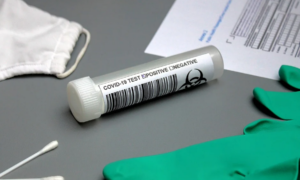 COVID-19 tests are sets of medical tests to help with diagnosing diseases. The COVID-19 test is a type of blood test that can help doctors determine how well your liver, kidneys, and bone marrow are working. The tests look at the cells in the blood to see if there are any abnormalities or discrepancies between what should be happening inside someone’s body compared to their actual health. The main reasons for these tests are to see if someone has a sign of a COVID-19 infection.
The COVID-19 test works by checking the types and numbers of blood cells that are in your body. It can help determine what type of treatment may be necessary for you moving forward! By checking your blood cells, the COVID-19 tests check to see any irregularities in hemoglobin or platelets. It can also help determine what type of anemia someone has and whether they have a deficiency to be treated with certain medications.
Types of Coronavirus Tests
There are many tests that you can find to find out if there are coronavirus infections in your body. These tests include a rapid test, a direct fluorescent antibody (DFA) test, and an enzyme-linked immunosorbent assay (ELISA). The COVID-19 tests use ELISA to check for coronavirus antibodies. It can be done as either a PCR or Rapid test. The difference is that the cells are stained with a dye that reacts to coronavirus antibodies with a Rapid test.
The PCR test uses enzymes and substrates, which stick to any captured antibodies to produce a color change. It is essential because it allows for rapid detection of different types of coronaviruses from other species! The COVID-19 tests will determine if you have a coronavirus infection. Thus, if your doctor has told you that they think you may be suffering from one of these infections and prescribed the COVID-19 test for your health care provider to run on your blood sample, it’s essential to understand what is going on.
Benefits of COVID-19 Tests
So, what are the benefits of undergoing a coronavirus test? First of all, the COVID-19 tests are relatively inexpensive. It’s also noninvasive and can be done in a doctor’s office quickly! It is beneficial for people who may not have easy access to healthcare or take time off work during regular business hours. Another benefit of taking a coronavirus test is that it does not require any special preparation. If you’ve been prescribed the COVID-19 test, then all you have to do is show up for your appointment and get blood drawn! The process should only take around 15 minutes or so, depending on how busy things are at that time of day.
If you haven’t yet had the COVID-19 test done, then it’s essential to find out what you can do next. If your doctor has recommended this specific testing for whatever reason, then they will direct you on the right course of action moving forward! Don’t forget that if there is anything that isn’t clear about these tests or how they work, make sure to ask your doctor or another medical professional.


